

Physiotherapy for Knee Pain – Causes, Treatment and Recovery
01-09-2026
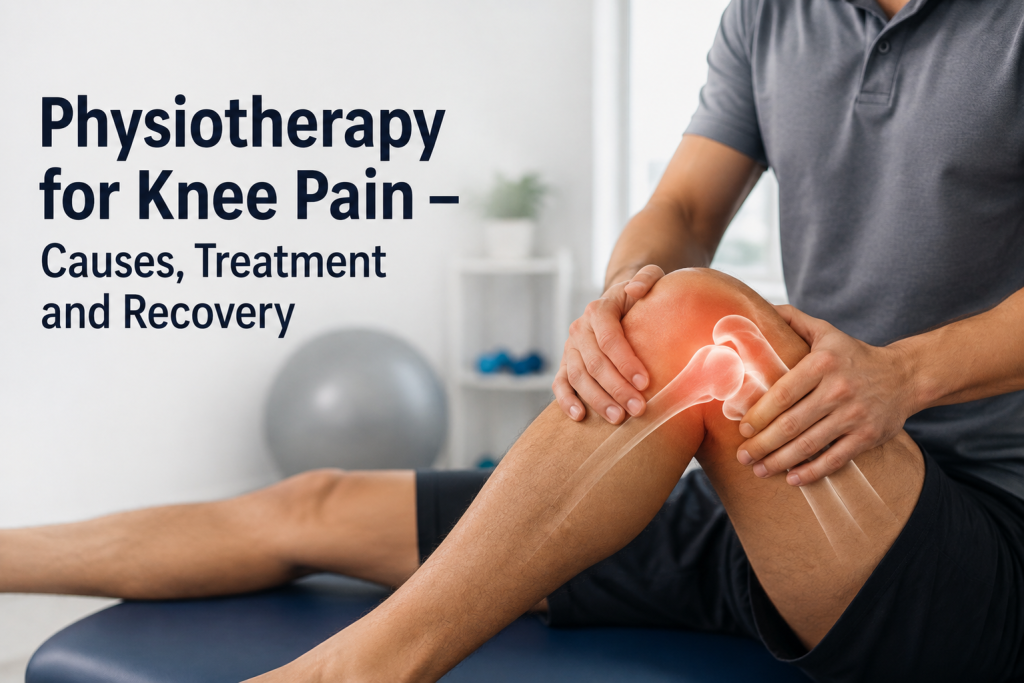
Even normal daily tasks such as walking, climbing stairs, walking, standing, exercising and sitting up from a chair may be uncomfortable when suffering from knee pain. The treatment should be directed at the improvement of function and quality of life regardless of whether the pain is as a result of an injury, repetitive strain, arthritis or as a consequence of a surgical procedure. Knee pain physiotherapy aims to determine the cause of the pain and create an individual plan to increase strength, mobility, stability, and functionality.
Physiotherapy treatment at PhysioON Wellness and Sports Clinic is tailored to individual patients and their lifestyle and recovery objectives. A detailed assessment identifies a physiotherapist’s understanding of your symptoms and which treatment approach is best for you.
There are some common causes of knee pain.
There are a number of possible causes of knee pain, and knowing where the pain is coming from is an important step towards a successful treatment.
Arthritis
Arthritis causes walking or climbing stairs painful, stiff and difficult. Physiotherapy can assist with maintaining knee motion and building strength of the muscles around the knee.
Sprains and strains
The muscles, tendons or ligaments around the knee can be damaged by a twist, a fall, sport injury or from doing the same movement too many times. This can lead to pain, weakness, swelling / an unstable knee.
Tendonitis
Excessive tension on the tendons of the knee can cause them to become irritated. This is frequently with running, jumping, squatting or climbing stairs.
Bursitis
Bursae are little fluid-filled sacs that protect the knee. If one is inflamed it will produce pain, swelling and tenderness at that site.
Meniscal injuries
It is possible for the meniscus to be injured with a twisting injury or another kind of trauma. It may result in pain, stiffness, swelling, catching and/or difficulty moving the knee, depending on the severity.
Physiotherapy treatment for knee pain will help you in this.
The treatment of knee pain with physiotherapy focuses on the cause of the pain and the individual’s symptoms. Manual therapy, mobility exercises, stretching, strengthening, movement retraining and pain-management techniques are all part of the treatment.
Manual therapy techniques may include joint mobilisations and soft tissue techniques to enhance mobility and minimise restrictions. Another rehabilitation facet is therapeutic exercise. A physiotherapist can develop a personalised exercise plan to include stretching, strengthening, balance, endurance and function exercises.
Knee Pain Relief Exercises
A key element of knee rehabilitation is exercise. A physio can prescribe exercises that target different things, depending on your condition, these include:
- Developing knee and hip strength
- Increased flexibility, ROM in joints
- Strengthening the muscles around the knee
- Working on balance and stability
- Practicing excellent movement patterns
- Slowly easing back into normal activities
Exercises for knee pain relief may involve controlled strength movements, stretching, functional exercises, balance exercises and progressive resistance exercises. But the exercises used will vary based on the cause and severity of knee pain. What may be suitable for one may be problematic for another and professional advice is advised.
PhysioON is focused on individual therapeutic exercise programmes, which may involve stretching and strengthening exercises, endurance, functional, balance and proprioceptive exercises.
Physiotherapy Regenerating Knee Pain
There is no immediate recovery from knee pain. This depends on the cause of the pain, the severity of the condition, level of activity and consistency of the recommended rehabilitation program.
Your physiotherapist will be able to gradually increase your exercises as your strength and mobility improve. It’s not just about relieving pain, but also allowing you to move normally and engage in recreational and daily activities.
After your home exercise routine, stay at the right activity level and go to the therapy sessions recommended can help with your recovery. Your treatment also may change according to the extent of your condition.
When Do You Need to See a Physiotherapist?
If the knee keeps giving you pain or makes your everyday life difficult, stops you from exercising or comes back again then you should see a physiotherapist. It is also an idea to have a professional check your knee after an injury if you have big swelling feel unstable have pain when you put weight on the knee or the knee moves less, than usual.
Early assessment can be useful to help identify contributing factors and offer adequate guidance before it is more limiting.
Begin your Knee Pain Recovery with PhysioON.
It’s NOT necessary to suffer from knee pain to enjoy everyday living, and to remain active. Physiotherapy can help in improving mobility, strength and function with a personalized plan of rehabilitation, appropriate exercises, hands on therapy and professional guidance.
PhysioON Wellness and Sports Clinic offers customized care to various knee ailments and aims to help patients navigate their pain while restoring their confidence in performing activities of daily living. When you seek the help of Physiotherapy for knee pain relief, professional assessment is an important first step in understanding what’s ailing you and how to recover.
Recent Post
- Physiotherapy after a car accident: when do you start?
- Physiotherapy After a Car Accident: When Should You Start Treatment?
- What Is Vestibular Physiotherapy and Who Can Benefit From It?
- How Physiotherapy Can Help Relieve Lower Back Pain in Milton
- How Physiotherapy Helps With Chronic Pain
- Pelvic Floor Physiotherapy: Who Can Benefit From It?
- Concussion Rehabilitation: How Physiotherapy Supports Recovery
- How Physiotherapy Helps You Recover From a Sports Injury
- Physiotherapy for Knee Pain – Causes, Treatment and Recovery
- How to Find the Best Physiotherapist Near Me: A Complete 2026 Guide


